
Elderberries: One of the Most Valuable Plants in Your Homestead Apothecary
Aug 1st 2026
There are few plants that earn their place in a homestead landscape quite like elderberry. Beautiful in the spring, productive in the summer, and incredibly versatile in the pantry and home apothecary, elderberry has been treasured for generations.
Whether you're making herbal extracts, traditional elderberry syrup, teas, jams, or even homemade wine, this remarkable shrub rewards just a little patience with an abundant harvest year after year.
If you're looking to build a more self-reliant homestead, this immune-boosting beauty deserves a permanent spot in your garden.
Growing Elderberries in the Midwest
Elderberries thrive throughout much of the Midwest and are well suited for USDA Hardiness Zones 3-8. They prefer full sun but tolerate partial shade and enjoy consistently moist, well-drained soil.
A mature elderberry bush can produce several pounds of berries every season and often begins producing within two to three years after planting.
Typical Midwest Growing Calendar
March-April
-
Dormant plants begin leafing out.
Late May-June
-
Large, fragrant white flower clusters bloom.
July-August
-
Green berries begin forming.
Late August-September
-
Berries ripen and are ready for harvest throughout much of Missouri and neighboring states.
Harvest timing varies slightly depending on weather and your exact location, but late August into early September is typically prime elderberry season across much of the Midwest.
Harvesting Elderflowers
Many people grow elderberries for the fruit but overlook one of the plant's greatest treasures - the flowers.
The creamy white blossoms have a delicate floral aroma and can be used fresh or dried.
Popular uses include:
-
Herbal teas
-
Elderflower cordial
-
Homemade syrups
-
Infused honey
-
Wine
-
Vinegar infusions
-
Baked goods
When to Harvest Flowers
Harvest flowers shortly after they fully open, before the petals begin turning brown.
The best time is a dry morning after the dew has evaporated.
Choose bright white flower heads that smell fresh and sweet.
Avoid harvesting every flower cluster from a bush. Leave plenty behind so they can develop into berries later in the season.
How to Dry Elderflowers
Drying preserves elderflowers for year-round use.
-
Remove any insects by gently shaking the flower heads.
-
Avoid washing unless absolutely necessary.
-
Lay flowers in a single layer on a drying screen or mesh rack.
-
Keep them in a warm, shaded area with excellent airflow.
-
Dry until the blossoms crumble easily.
Store dried flowers in airtight glass jars away from heat and sunlight.
When Are Elderberries Ripe?
Patience is important.
Elderberries should never be harvested while green or partially ripe.
A ripe cluster will be:
-
Deep purple to nearly black
-
Heavy and drooping
-
Plump and juicy
-
Easy to pull from the stem
If many berries are still red or green, wait another week or two.
Birds and wildlife love elderberries just as much as people do, so don't wait too long once they ripen!
How to Harvest Elderberries
Instead of picking individual berries, simply clip the entire berry cluster from the shrub using clean pruning shears.
Place clusters gently into baskets or shallow containers to avoid crushing the fruit.
At home, remove the berries from the stems using a fork or by freezing the clusters first. Frozen berries separate much more easily.
Discard leaves, stems, and unripe berries.
Drying Elderberries
Dry elderberries for long-term pantry storage.
Dehydrator Method
Spread berries in a single layer.
Dry at approximately 115-135°F until completely shriveled and no moisture remains.
Air Drying
If humidity is low, berries can also be dried on mesh screens with plenty of airflow, although this method takes considerably longer.
Store dried berries in airtight jars or vacuum-sealed bags in a cool, dark place.
Properly dried elderberries can last for a year or longer.
Freezing Elderberries
Freezing is one of the easiest preservation methods.
Simply:
-
Remove berries from stems.
-
Rinse and dry thoroughly.
-
Freeze on a baking sheet.
-
Transfer to freezer bags or vacuum-sealed bags.
Frozen berries retain much of their quality for up to a year.
Making Traditional Elderberry Syrup
One of the most popular uses for elderberries is homemade syrup.
Many traditional recipes combine elderberries with ingredients such as:
-
Cinnamon
-
Cloves
-
Ginger
-
Raw honey
The result is a rich, flavorful syrup that many families enjoy seasonally as part of their wellness routine.
Because honey should not be heated excessively, many people stir it into the cooled elderberry mixture after cooking.
Store finished syrup in the refrigerator.
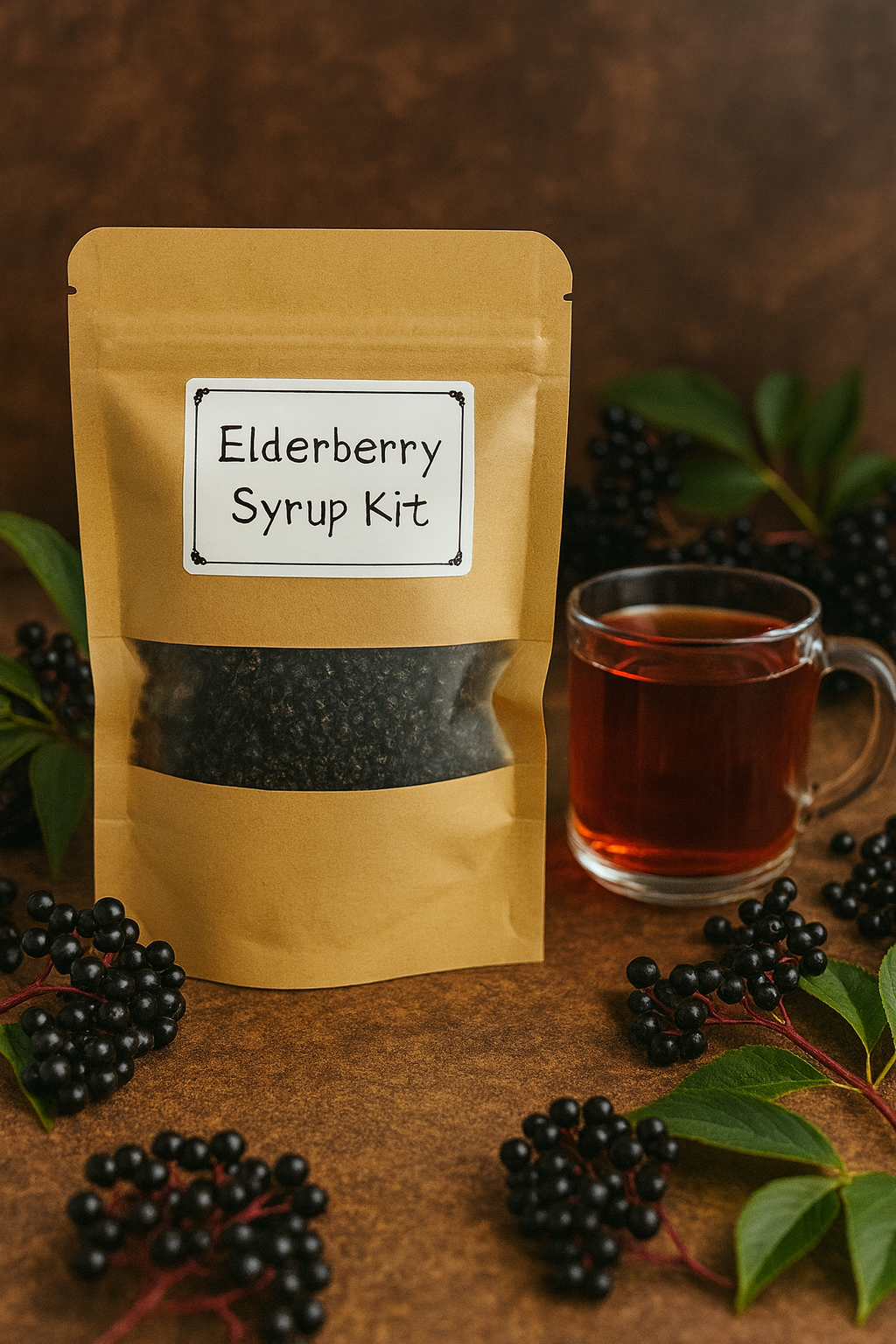
Prep-Mart produces an Elderberry Syrup Kit that uses dried ingredients for long-term storage. A great pantry stock item.
Elderberry Herbal Extracts (Tinctures)
Dried elderberries also make excellent herbal extracts.
A traditional extract is typically made by steeping dried berries in alcohol for several weeks before straining.
Many homesteaders keep elderberry extract on hand year-round because it stores well and takes up very little space in the pantry.
Prep-Mart's Elderberry Elixir combines elderberries with warming spices like cinnamon, cloves, and star anise for a flavorful herbal extract inspired by generations of traditional herbal practices.
Other Ways to Use Elderberries
Once you have a productive elderberry patch, you'll likely discover there are more berries than you know what to do with.
They're excellent for:
-
Homemade jams and jellies
-
Pie filling
-
Wine
-
Mead
-
Vinegar infusions
-
Herbal gummies
-
Tea blends
-
Fruit leather
-
Pancake syrup
-
Smoothies (using cooked berries)
A Staple for Every Homestead Apothecary
Elderberries are one of those rare plants that offer beauty, productivity, and versatility all in one package.
The flowers become teas and cordials.
The berries become syrups, herbal extracts, jams, and wines.
The shrubs return year after year with very little maintenance.
For anyone building a traditional home apothecary or simply looking to become a little more self-reliant, elderberry is one of the most rewarding plants you can grow.
A Few Important Notes
• Only fully ripe elderberries should be harvested.
• Stems, leaves, roots, and unripe berries contain naturally occurring compounds that can cause digestive upset and should not be consumed.
• Elderberries are traditionally cooked before eating or made into properly prepared herbal extracts.
At Prep-Mart, we believe preparedness starts in the garden. Every elderberry harvested, every jar preserved, and every herbal remedy learned is another step toward greater self-reliance and confidence for your family.
These statements have not been evaluated by the Food and Drug Administration. This information is for educational purposes only and is not intended to diagnose, treat, cure, or prevent any disease.