

Echinacea
Jul 1st 2026
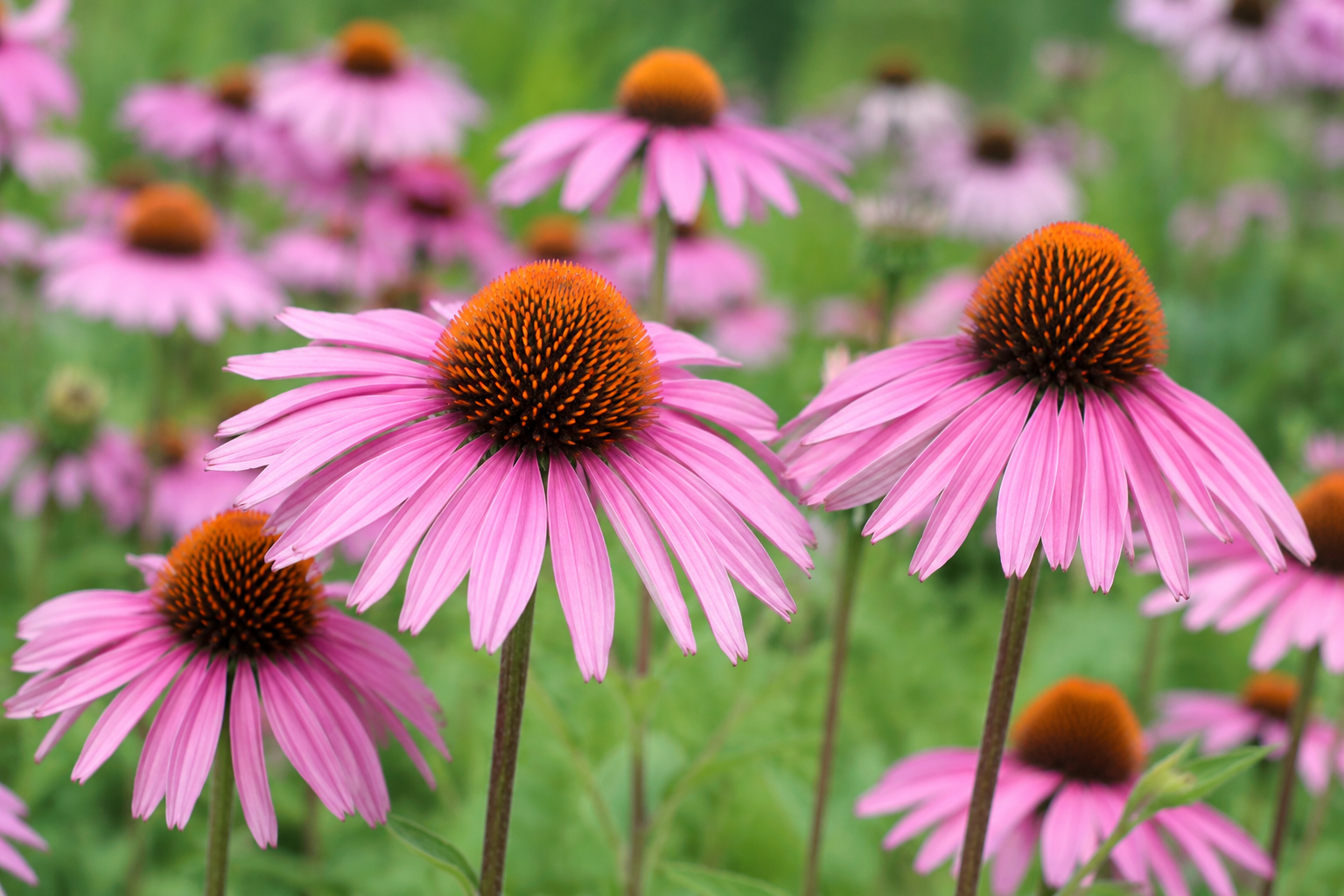
Harvesting Echinacea: One of Missouri's Most Valuable Backyard Remedies
By Prep-Mart LLC | Resources for Resilience
As summer temperatures begin climbing across Missouri, many of our purple coneflowers (echinacea) are starting to fade. Their bright purple petals droop, seed heads begin to form, and the window for harvesting this valuable herb starts to close.
For homesteaders, herbalists, and preparedness-minded families, echinacea is one of the most useful plants you can grow. Not only is it beautiful and pollinator-friendly, but nearly every part of the plant can be used—from the flowers and leaves to the roots.
If you've got echinacea growing in your garden, now is the perfect time to gather some for your home apothecary while making sure plenty remains for future harvests.
Why Echinacea Belongs in Every Homestead Garden
Native to North America, echinacea has been used for generations as a traditional wellness herb. It is commonly found in herbal teas, tinctures, syrups, and wellness blends.
Beyond its herbal uses, echinacea:
-
Attracts bees, butterflies, and beneficial insects
-
Tolerates drought and poor soil
-
Returns year after year as a perennial
-
Produces abundant seed for future planting
-
Requires very little maintenance once established
In many Missouri gardens, echinacea begins blooming in late spring and continues through much of the summer before slowing down during periods of intense heat.
How to Harvest Echinacea Responsibly
One mistake many beginners make is harvesting every flower they see.
While it can be tempting to gather all of your blooms, leaving some flowers behind ensures healthy pollinator populations and allows the plant to reseed naturally.
Harvesting Flowers
Using clean scissors or garden snips:
-
Choose healthy blooms that are fully opened.
-
Cut stems several inches below the flower head.
-
Harvest during the morning after dew has dried.
-
Avoid harvesting diseased or insect-damaged blooms.
Leave Plenty for Seed
Allow many flowers to remain on the plant through late summer and fall.
As petals disappear, the center cone develops seeds that:
-
Feed birds throughout winter
-
Self-seed around your garden
-
Provide future harvests without additional planting
A healthy patch of echinacea can expand naturally over time if enough seed heads are left standing.
Harvesting Echinacea Roots
The roots contain some of the plant's most valued compounds, but they should only be harvested from mature plants.
Wait until:
-
Plants are at least 3 years old
-
Flowering season has ended
-
Fall dormancy begins
Never harvest all the roots from a patch.
Instead:
-
Dig only a few mature plants
-
Leave the majority intact
-
Replant portions of the root crown when possible
This helps maintain a sustainable echinacea patch for years to come and works well for transplanting.
How to Dry Echinacea
Proper drying helps preserve echinacea for long-term storage.
Air Drying Method
-
Bundle several stems together.
-
Hang upside down in a dry, shaded area.
-
Ensure good airflow.
-
Avoid direct sunlight.
Most echinacea will dry completely in 1–2 weeks depending on humidity.
Drying Individual Petals and Leaves
Spread them on:
-
Screens
-
Drying racks
-
Paper towels
Turn occasionally until crisp.
Storing Dried Echinacea
Store dried material in:
-
Glass jars
-
Airtight containers
-
Paper herb bags
Keep in a cool, dark location.
Properly stored echinacea can remain useful for roughly a year or longer.
**Pro Tip: cutting up dried echinacea is very difficult! Use a clean coffee grinder to cut stems.
Ways to Use Echinacea
Once dried, echinacea can be incorporated into a variety of herbal preparations.
Echinacea Tea
A simple herbal tea can be made using:
-
Dried flowers
-
Leaves
-
Roots
Steep in hot water for 10–15 minutes before drinking.
Many people blend echinacea with:
-
Elderberry
-
Peppermint
-
Lemon balm
-
Rose hips
for a pleasant herbal tea blend. These are some of our favorite homestead heavy hitters!
Echinacea Tincture
One of the most popular ways to preserve echinacea is as a tincture.
Basic process:
-
Fill a jar about halfway with chopped fresh or dried echinacea.
-
Cover completely with a 80%-100% alcohol. A glycerin can be used in place of alcohol.
-
Store in a dark location.
-
Shake daily.
-
Strain after 4–6 weeks.
The resulting tincture stores for years when properly prepared and stored.
Echinacea-Infused Oil
While echinacea is not as commonly infused as calendula or plantain, it can be added to carrier oils for topical preparations.
To make:
-
Use thoroughly dried plant material.
-
Cover with olive oil or another carrier oil.
-
Infuse for several weeks.
-
Strain and store.
The infused oil can then be incorporated into homemade salves and balms.
Herbal Blends
Echinacea pairs well with many homestead favorites including:
-
Elderberry
-
Yarrow
-
Mullein
-
Lemon balm
-
Peppermint
-
Calendula
Making it a versatile addition to any home apothecary.
Sustainability = Self-Sufficiency
One of the best preparedness lessons nature teaches us is sustainability.
Before harvesting every flower, remember that bees, butterflies, goldfinches, and future generations of your family depend on those seed heads.
Leave plenty behind.
A healthy echinacea patch can provide herbal harvests for decades when managed responsibly.
Final Thoughts
As Missouri's summer heat intensifies and the purple blooms begin to fade, now is the ideal time to gather echinacea for your herbal pantry while ensuring your plants continue thriving for years to come.
Whether you're making teas, tinctures, infused oils, or simply building a more resilient homestead, echinacea is one of the easiest and most rewarding medicinal herbs to grow. Plus, it is absolutely delightful to watch
Harvest thoughtfully. Dry carefully. Save seed generously.
Your future self—and your pollinators—will thank you.